
What Are the Advantages of PLCs? How They Strengthen Your Business in the Industry 4.0 Era
In today’s industrial world, automation systems play a vital role. Especially in the era of Industry 4.0, the efforts of businesses to increase efficiency and reduce costs have become more critical than ever. In this context, Programmable Logic Controller (PLC) systems offer numerous advantages to companies. The answer to the question “What are the advantages of PLCs?” includes factors such as more flexible production processes and higher reliability. Additionally, PLC systems stand out for their cost-control capabilities and ease of training. Businesses stepping into the world of automation can take stronger steps toward the future by adopting this technology.
Key Points
- The question “What are the advantages of PLCs?” includes the efficiency boost they provide in automation systems.
- These systems help businesses reduce their operational costs and gain competitive advantage.
- PLCs support flexible production processes, enabling rapid adaptation to changing market conditions.
What Is a PLC? Basic Operating Principles
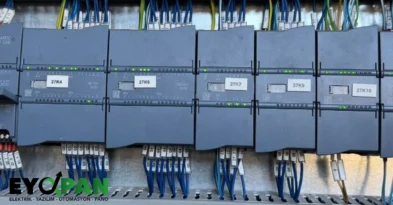
A PLC, or Programmable Logic Controller, is a backbone technology used in industrial automation systems. Commonly utilized in advanced control engineering applications, PLCs stand out when there is a need for fully automated process control. Understanding PLC operation requires reviewing a few fundamental principles.
How a PLC Works
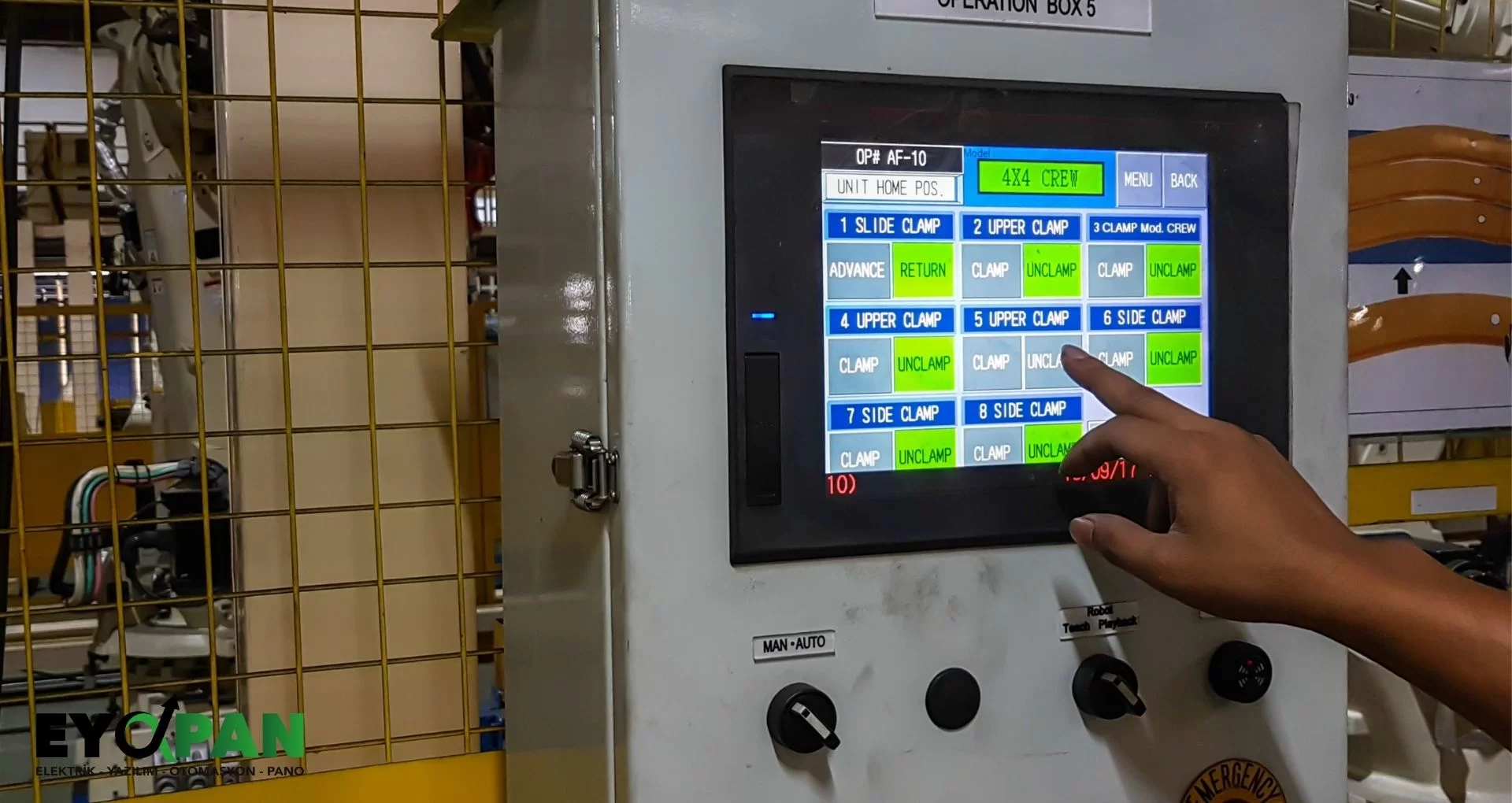
A PLC is a programmable device capable of managing both input and output signals. Inputs collect data from physical components such as sensors, while outputs send commands to actuators such as motors or valves. For example, in a manufacturing line, a PLC can control material movement. Sensors send data about material position, and output modules trigger motors accordingly.
PLCs operate using specific programming languages, including:
- Ladder Logic (LD)
- Function Block Diagram (FBD)
- Structured Text (ST)
These languages allow users to create complex control structures and optimize system behavior. The operating principles include reading sensor data, processing logical functions, and activating motors or actuators as required.
Advantages and Disadvantages
PLCs offer several key advantages, such as:
- High reliability
- Fast adaptation to changing production needs
- Low cost–high efficiency ratio
However, disadvantages also exist. These include:
- Complex programming requirements
- High initial investment costs
- The need for trained personnel
PLCs are widely used in production lines, energy management systems, and even airport control systems. While they significantly improve efficiency and reduce error rates, large and complex systems may face difficulties if not programmed or integrated properly.
In conclusion, PLCs represent an essential element of industrial automation. To fully leverage their potential, proper training and experience are needed. When used correctly, PLCs offer powerful automation solutions that increase efficiency in all types of industrial applications.
Industry 4.0 and Automation: The Role of the PLC
In today’s industrial automation environment, PLCs hold a crucial position. With the Industry 4.0 revolution, production processes are transforming, and the role of PLC systems is becoming even more significant.
Key Advantages of PLC Systems
| Advantage | Description |
| Flexibility | Program changes can be implemented easily. |
| Reliability | Provides stable, error-free operations. |
| Cost Efficiency | Reduces energy and labor costs in the long term. |
Technical Features and Applications
PLCs are often equipped with large numbers of input/output ports, enabling them to handle complex automation tasks. Their fast response times and high processing capabilities make them ideal for industrial use.
Common applications include:
- Assembly lines
- Control systems
- Energy monitoring systems
Cost Analysis and Economic Benefits
Although PLC systems require initial investment, they quickly pay for themselves thanks to:
- Reduced energy consumption
- Lower labor costs
- Improved process optimization
Result: PLC systems are indispensable for businesses aiming to strengthen their competitive power in the Industry 4.0 landscape.
Efficiency Improvements Through PLC Systems
PLC technology plays a key role in modern industrial automation, ensuring higher production efficiency and cost savings.
Reduced Errors & Increased Reliability
Automating production processes reduces human-related mistakes and accelerates cash flow, increasing competitiveness. Flexible reprogramming capabilities also help businesses respond quickly to market fluctuations.
Advanced Monitoring
PLCs continuously monitor machine conditions and detect potential failures early. This ensures:
- Faster troubleshooting
- Process continuity
- Improved workforce efficiency
Cost & Time Optimization
Automation significantly reduces labor costs and accelerates production cycles. Producing more with fewer resources increases profitability.
PLC Features for Smart Factories
Smart factories, a key element of the industrial revolution, rely heavily on PLC control systems.
Flexibility & Scalability
PLC systems can be updated or expanded according to factory needs, ensuring continuous workflow without interruptions.
Real-Time Data Processing
PLCs analyze sensor data instantly, allowing real-time decision-making and intervention.
High Durability
PLCs are designed for harsh industrial environments—temperature, humidity, vibration, and electromagnetic fields.
User-Friendly Interface
Modern PLC software offers intuitive user interfaces, reducing operator training time.
Data Analysis and High-Speed Communication with PLCs
PLC technology provides advanced data processing and high-speed communication capabilities, enabling:
- Real-time system control
- Rapid decision-making
- Efficient data exchange between devices via various communication protocols
These features give businesses a significant competitive advantage in Industry 4.0.
Energy Management and Savings with PLCs
Energy efficiency is increasingly important in the industrial sector. PLCs play a critical role in:
- Controlling HVAC and lighting systems
- Monitoring energy consumption
- Preventing unnecessary energy use through smart automation
Example Applications
| Application Area | Energy-Saving Potential |
| Lighting Control | High |
| Climate Control Systems | Medium |
| Power Management Systems | High |
PLC Integration in Automation Systems
Integrating PLCs into automation systems enables smarter and safer industrial operations.
Important Integration Factors
- Identifying system needs
- Choosing the correct PLC model
- Ensuring compatibility with all system components
- Proper programming and testing
Correct integration helps eliminate future risks and increases system performance.
Advanced PLC Applications: Real-World Examples
- Smart Factories
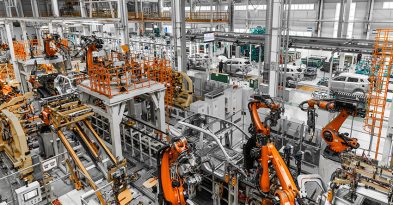
PLC integration minimizes manual intervention, enabling central control of all production steps.
- Energy Management
Hotels, malls, and factories use PLCs to reduce energy waste and optimize HVAC systems.
- Water Treatment Plants
PLCs monitor pH, turbidity, and chemical dosing, enabling rapid reaction to anomalies.
- Food Processing Industry
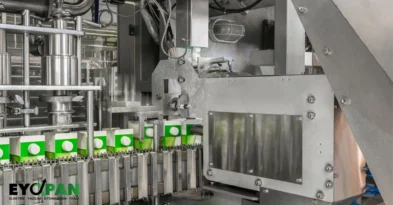
PLCs automate packaging lines, improving both speed and accuracy.
The Future of Industrial Automation and the Role of PLCs
PLCs will continue to play a defining role in the future. With the integration of:
- Artificial intelligence
- Machine learning
- IoT
- Big data
PLC systems will become smarter, more autonomous, and more predictive.
Frequently Asked Questions (FAQ)
What is a PLC?
A PLC is a programmable control device used in industrial automation.
What are the advantages of PLCs?
High reliability, flexibility, easy programming, and low maintenance costs.
Where are PLCs used?
Assembly lines, motor control, lighting automation, water treatment plants, and more.
How are PLCs programmed?
Using languages such as Ladder Logic, FBD, and Structured Text.
Are PLCs safe?
When designed correctly, PLCs offer high levels of safety and comply with industrial standards.