

Evolution in Lighting
The concept of lighting has always been important to humanity. Today, even the absence of lighting for minutes or even seconds negatively impacts our lives. So, how did humans provide lighting without electricity? How did this evolution occur?
The sun has always been a source of light for our world. Of course, this applies only when daylight is available. After the invention of fire, people used it not only for heating but also as a source of light at night. Over time, lamps and candles were made using animal fat for lighting. Later, attempts were made to provide lighting by burning gas.
In 1878, British scientist Joseph Wilson invented the electric light bulb. However, this bulb had a very short lifespan. By 1879, Thomas Edison had conducted over 6,000 experiments and invented a light bulb that provided illumination using a longer-lasting electric current. Thomas Edison began mass-producing light bulbs for safe home use in 1880.
Following the invention of the light bulb, mercury vapor, fluorescent, metal halide, and sodium vapor lamps were produced. However, with the development of LED (light-emitting diode) technology, the lighting industry has evolved. With LED production, energy-efficient systems with the desired light color, long-lasting products, and visual appeal have begun to be offered.
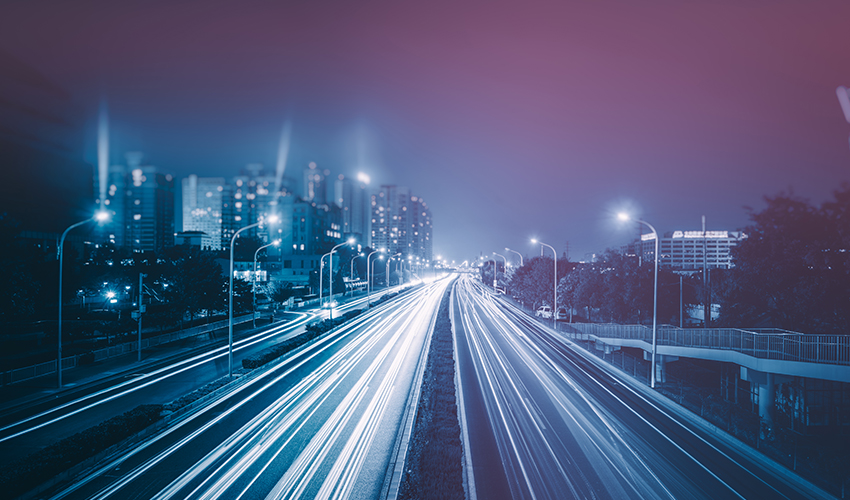
Today, architectural design programs are used when lighting a specific area (examples include DIALux, Relux, AGi32, etc.). Using these programs, the brightness (lux) of the area to be illuminated can be determined and the appropriate number of fixtures can be determined. The lighting system can be connected to an automation system and the light intensity can be adjusted from 0 to 100%. For example, street lights can be operated at 100% light intensity between 7:00 PM and 11:00 PM, 80% light intensity between 11:00 PM and 1:00 AM, and 50% light intensity between 1:00 AM and 6:00 AM. This allows for energy savings.
Lighting serves as a sector in its own right. When lighting an area, professional support should be sought to ensure the most accurate illumination.
Lighting has not yet fully evolved and continues to evolve. For example: Today, lighting companies have begun producing UV-C disinfection fixtures. These fixtures have been proven to neutralize 99% of viruses found on surfaces and in the air. For another example, wireless lighting and similar developments are ongoing.