
Machine Automation: Technologies Shaping the Future and Their Application Areas
Among the technological innovations that have brought fundamental changes to many areas of our lives, machine automation comes first. These systems make production more efficient while significantly reducing the need for human labor in operational processes. Especially in the industrial sector, automation solutions reduce error rates and increase productivity.
Today, machine automation technologies have become a cornerstone of businesses, contributing to sustainability and digital transformation by enabling new discoveries and improvements. However, we must remember that this transformation is not just a technical update; it also requires a restructuring of the workforce. As we explore the impact and application areas of these future-shaping systems, we also gain a deeper understanding of the place they occupy in our daily lives.
Fundamental Principles and Concepts of Machine Automation
Machine automation plays a critical role in optimizing production processes. Its core principles include system integration, process control, and efficiency. The answer to the question “What is machine automation?” can be summarized as: systems that reduce human intervention, lower costs, and improve quality.
In modern industrial applications, automation systems enable machines to communicate with one another. This communication makes it possible to detect problems on the production line instantly.
In addition, various machine automation technologies help users make smarter decisions. Real-time data analysis and reporting tools significantly support businesses in strengthening their competitive edge. As a result, more and more companies are revising their production with machine automation systems and aiming for higher levels of efficiency. In short, the concepts of machine automation hold an important place in today’s new industrial revolution.
Industry 4.0 and Machine Automation: A New Era
Industry 4.0 is considered the next stage in the industrial revolution. This transformation is accelerating with the integration of machine automation systems. Industrial processes are now supported by technologies such as data analytics and artificial intelligence. As a result, production lines become more efficient and flexible. However, this change also introduces certain challenges.
Advantages of Machine Automation
Key advantages of machine automation include:
- Reduced labor costs
- Minimized error rates
- Faster production
- Better alignment with customer demands
However, the installation and maintenance of automation systems can lead to high initial costs. That’s why decision-makers must plan carefully and strategically.
Applications of Machine Automation
Machine automation applications are used in a wide range of sectors, from automotive to food production. These systems optimize production processes and reduce costs. Yet every application involves its own specific challenges. In this new era, developing the right strategies is essential.
Machine Automation Technologies
Machine automation technologies — including sensors, robots, and artificial intelligence — are shaping the future. These innovations are revolutionizing production processes and laying the groundwork for a more sustainable industry. Still, it is important to recognize that this requires a continuous process of learning and adaptation.
Technologies and Innovations Used in Automation Systems
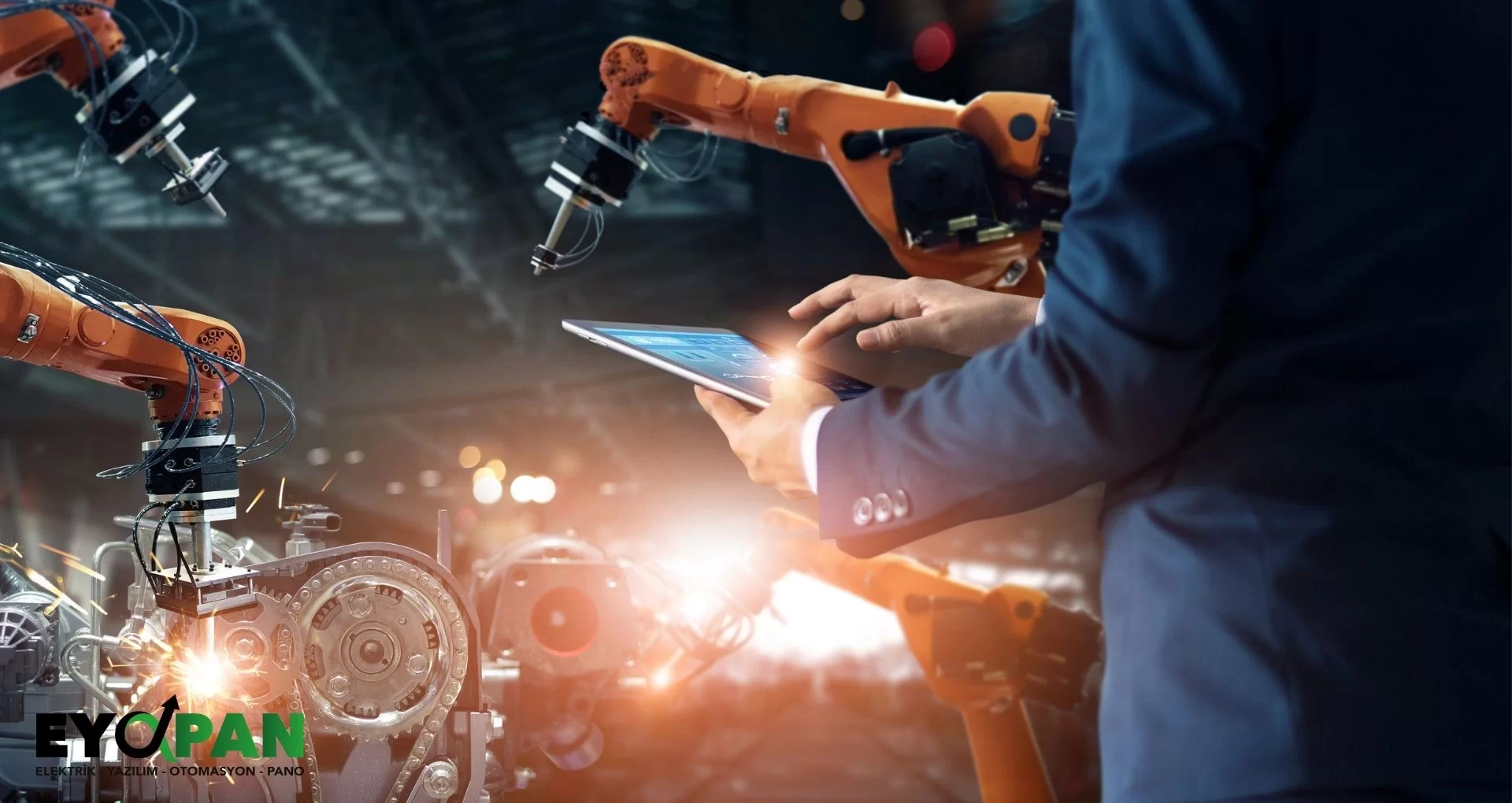
Today, automation systems — especially with machine automation and Industry 4.0 — are making production processes more efficient. Among the technologies used, artificial intelligence–based solutions have a prominent place. AI plays a major role in data analysis and decision-making. But this is only the beginning; advanced robotic technologies are making machines smarter and more flexible.
In addition, IoT (Internet of Things) applications enable machines to communicate with each other. This increases transparency in production processes. Still, some companies struggle to fully embrace these innovations because change often involves risk and uncertainty. However, the long-term benefits of these technologies make it worthwhile to overcome these challenges. Ultimately, with machine automation and Industry 4.0, a solid foundation is being built for the industry of the future.
Sectoral Distribution of Machine Automation Applications
Today, machine automation has become an indispensable element in many sectors. Especially in manufacturing, food, automotive, and healthcare, automation applications play a critical role in improving efficiency and reducing costs.
- In manufacturing, automation systems reduce the need for manual labor and minimize errors.
- In the food industry, robotic systems are used to ensure hygiene standards.
The Importance of Sectoral Distribution
The sectoral distribution of automation directly influences development and competitiveness in each field. For example:
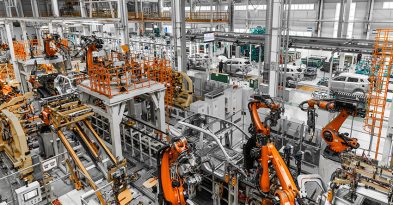
- In the automotive sector, machine automation makes assembly lines faster and more accurate.
- In healthcare, robotic assistants are used in patient care, reducing the workload of healthcare professionals and increasing patient satisfaction.
From this perspective, the sectoral distribution of machine automation applications will continue to evolve in the future. As sectors define their needs, automation systems will become more widespread in every area.
Robotic Systems and Machine Automation: Interaction and Processes
Today, the interaction between machine automation and robotic systems is taking the industrial revolution to a new level. These systems used in industrial processes not only increase efficiency but also reduce costs. Still, the complexity of these processes can sometimes be confusing.
For example, the way robots interact with humans can, in some cases, pose a challenging balance rather than simply making work easier. Not ignoring the human factor is critical to the success of these systems. It is not only technological innovations that shape outcomes but also the training level of operators. When aiming for high efficiency, human–machine interaction must be managed properly.
Continuous feedback and improvement cycles play an important role in enhancing the effectiveness of robotic systems. In this way, while process efficiency increases, human–machine collaboration is also strengthened.
The Impact of Data Analytics and IoT on Machine Automation
In today’s industry, data analytics and IoT (Internet of Things) play a critical role in the transformation of machine automation. These components enable machines to collect and analyze data at every moment. As a result, automation processes become smarter and productivity increases.
“Data analytics strengthens decision-making processes, while IoT integration makes this process even faster.”
Adopting IoT in machine automation applications helps businesses better manage environmental interactions. However, integrating these technologies requires careful planning, as incompatibilities between systems can lead to unexpected problems. For this reason, companies must periodically review and refine their strategies.
Analyzing multiple data sources simultaneously accelerates information flow but also raises important issues such as data security. Thus, while IoT systems become smarter and process efficiency increases, new challenges can emerge if the necessary precautions are not taken.
Safety and Risk Management in Machine Automation
Safety and risk management in machine automation play a critical role in not only improving process efficiency but also minimizing potential hazards. Successful practices in this area begin with identifying risk factors from the design stage onward. Not only technical requirements but also the human factor must be taken into account. Human errors and system failures can lead to serious accidents, so risk management strategies must be applied meticulously at every stage.
Proactive Approaches
With proactive approaches, safety measures should go beyond reactive responses. Continuous monitoring of automation systems helps detect potential issues at an early stage. Training programs that raise employee awareness contribute to building a strong safety culture. In short, although technological advances have the capacity to reduce safety risks, the human factor remains an indispensable part of the equation.
Machine Automation in Terms of Energy Efficiency and Sustainability
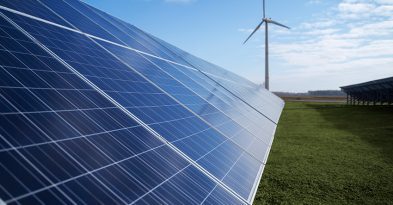
Today, machine automation is highly significant in terms of energy efficiency and sustainability. These systems optimize production processes and ensure energy savings. However, it is not enough to consider efficiency alone — environmental impacts must also be taken into account.
For example:
- Repetitive energy consumption is reduced through automation.
- Waste management and recycling processes can be improved.
Energy Consumption and Sustainability
Machine automation allows energy consumption to be controlled to a large extent. This lowers costs and minimizes negative environmental impacts. However, another important point is the amount of energy required during the initial installation of automation systems. In other words, making the right choices from the start is critical for long-term energy efficiency.
Sustainability requires developing environmentally friendly solutions based on sustainable principles. As a result, machine automation not only contributes to energy efficiency but also serves as an important tool for achieving environmental protection goals.
The Future of Machine Automation: Trends and Expectations
Future trends in machine automation are expected to drive the transformation of both industrial and commercial processes. First, the integration of artificial intelligence and data analytics will enable automation systems to become even smarter. Machines will increasingly be able to use historical data to make human-like decisions. However, this also introduces challenges such as data security and ethical issues.
At the same time, human–machine interaction is expected to become even stronger to enhance user experience. Businesses will strive to make automation systems more flexible and adaptable to increase productivity. Yet the role of human labor in this process is being questioned. Managing complex systems similar to “nephelinia-type” structures will require new skills.
In conclusion, the future of machine automation will offer great opportunities while also presenting new challenges. How these changes unfold will deeply affect many sectors.
Frequently Asked Questions (FAQ)
What is machine automation?
Machine automation is the use of technologies and systems that enable machines to perform specific tasks or processes with minimal or no human intervention.
In which sectors is machine automation used?
Machine automation is used in many sectors, including manufacturing, agriculture, energy, logistics, and automotive.
What are the advantages of machine automation?
It increases production efficiency, reduces costs, lowers error rates, and improves occupational safety.
What components make up a machine automation system?
A typical machine automation system consists of sensors, actuators, control systems, and software.
Which technologies are used in machine automation?
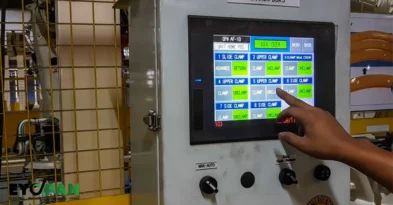
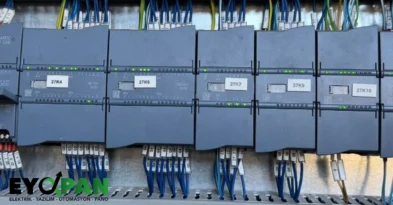
Technologies such as PLCs (Programmable Logic Controllers), SCADA systems, industrial robots, and IoT are frequently used.
What are the most common programming languages in machine automation?
Common languages include Ladder Logic, Structured Text, and Python, among others.
How reliable are automation systems?
Modern automation systems are designed to be highly reliable, but regular maintenance and updates are essential.
What kind of investment does machine automation require?
It may require high initial investment, but in the long term it delivers savings through increased efficiency and reduced operating costs.
How is maintenance carried out for an automation system?
Maintenance is carried out through regular inspections, software updates, and periodic replacement of components.
How does machine automation affect human labor?
Machine automation automates certain tasks, allowing people to move toward more specialized and value-added roles. However, in some low-skilled jobs, it may lead to job displacement.